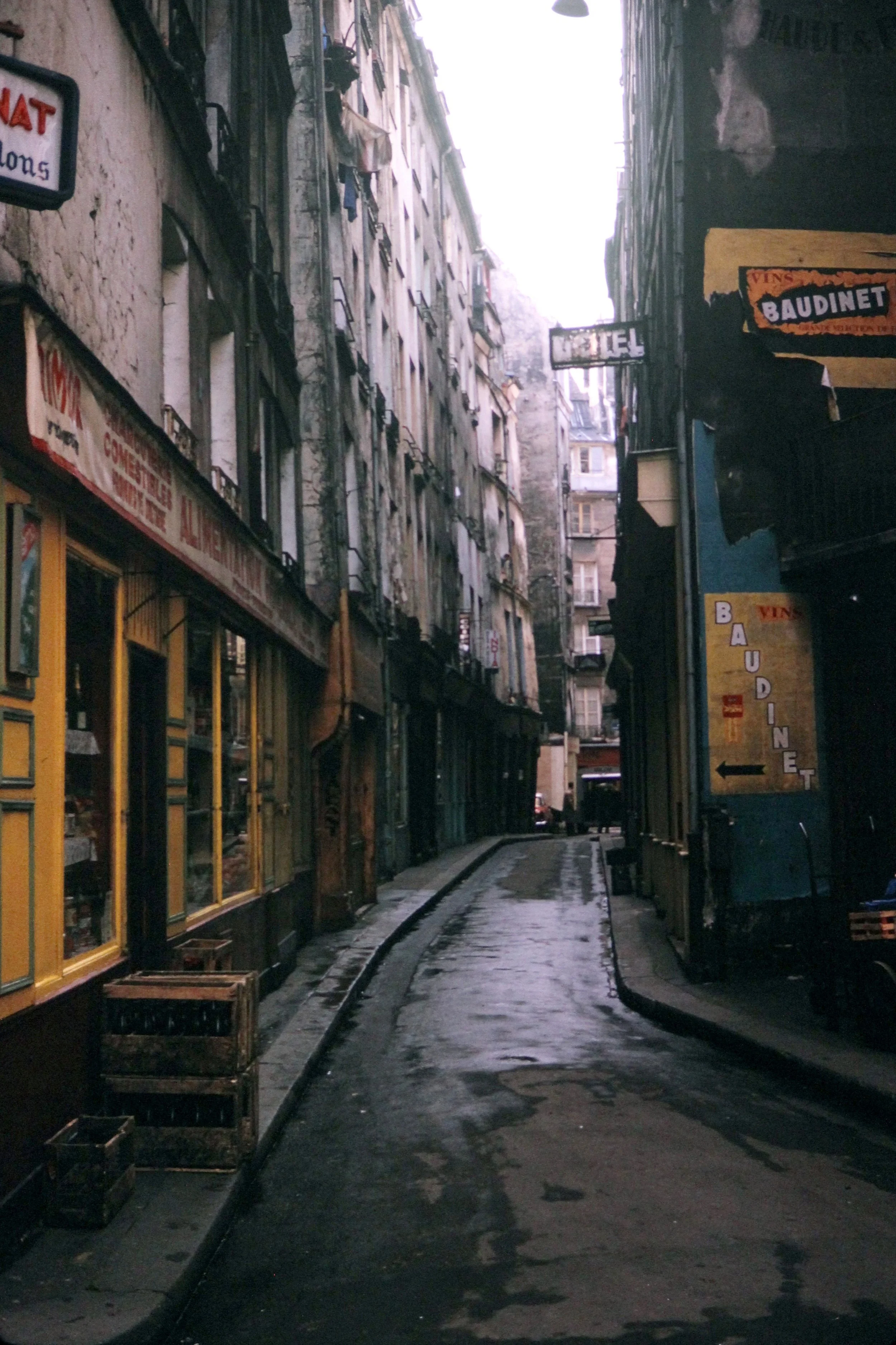
In the 1990’s, there was a French Restaurant perched on a corner of the Pike Place Market. Waking through doors felt like walking through a dollhouse of dining rooms.
Upstairs, was a small bar where a couple of Frenchmen on adventure worked and served. Francois was tall and bound to return to France. Axel was a little scrappier and had a glint in his eye that spelled trouble for some dear soul.
One early evening, while having a glass of wine with a friend, we all got to talking talking about Beaujolais Nouveau meals. I’d love to say that I flit around talking Bougelais Nouveau menus like a bohemian superstar, but it was actually Francois and my cultured friend who were talking about Bougelais Nouveau menus, I was drinking and listening.
Francois, stated at a certain point that French food could only be made by French people.
My friend, who had spent a lifetime in the restaurant industry felt otherwise and disagreed with a good natured, almost demure “nah.”
The Frenchman had enough zeal to find even them gentlest of dissents invigorating.
Yes! He said. It is impossible for them to know. No one who hadn’t grown up with French food, could cook French cuisine.
My friend reasoned that everyone in France had to learn how to cook, even the French weren’t born knowing how to cook French food. So if French people had to learn how to cook French food, then non-French people could do the same.
Francois threw his hands up near his chest. Yes, but the flavors would never be part of a nonFrench person’s soul. It wasn’t part of them. Non French people couldn’t cook French food.
Then his mouth and hands did a little grimace/wiggle and the conversation was over.
There’s a suffix for that.
Had Francois stayed longer in the United States, he might have eventually learned “ish”.
His gesture said that it didn’t matter if a non French person went to culinary school in France, no matter how long they lived or visited the country, that the non French person could only come as close to cooking French-ish food. Because if something wasn’t fed to them after school or handed to them by a grandmother – who was taught to cook by a grandmother who had faced famine and war – it could not be truly French.
Now, thirty years later, the fusion monster has gotten so broad-shouldered, it has squished a country’s proprietary flavor into a corner and scattered its droplets across the continents. New York-style Poke has settled right in and the idea that French food belongs only to the French feels like an antiquated romance.
Sometimes, it can feel like a culinary flat earth – but is it truly? Or is there just a transfer of ingredients? It is still so common to see “in the style of” on the menu that one wonders, if it claiming a country or style matters at all? Or, conversely, can we now just use the suffix “ish” without disdain? or Y.
Italian-ish pork loin.
Frenchy French leg of lamb.
You get it.
Then there’s the menu tactic of eschewing claim to origin but listing the ingredients. (Which is laborious and I do it anyway.) But even that, as Roy Choi, on the Chef Show found out when Seth Rogan showed up, is kind of pointless.
(I’t was a traumatizing episode.)
That’s all to say
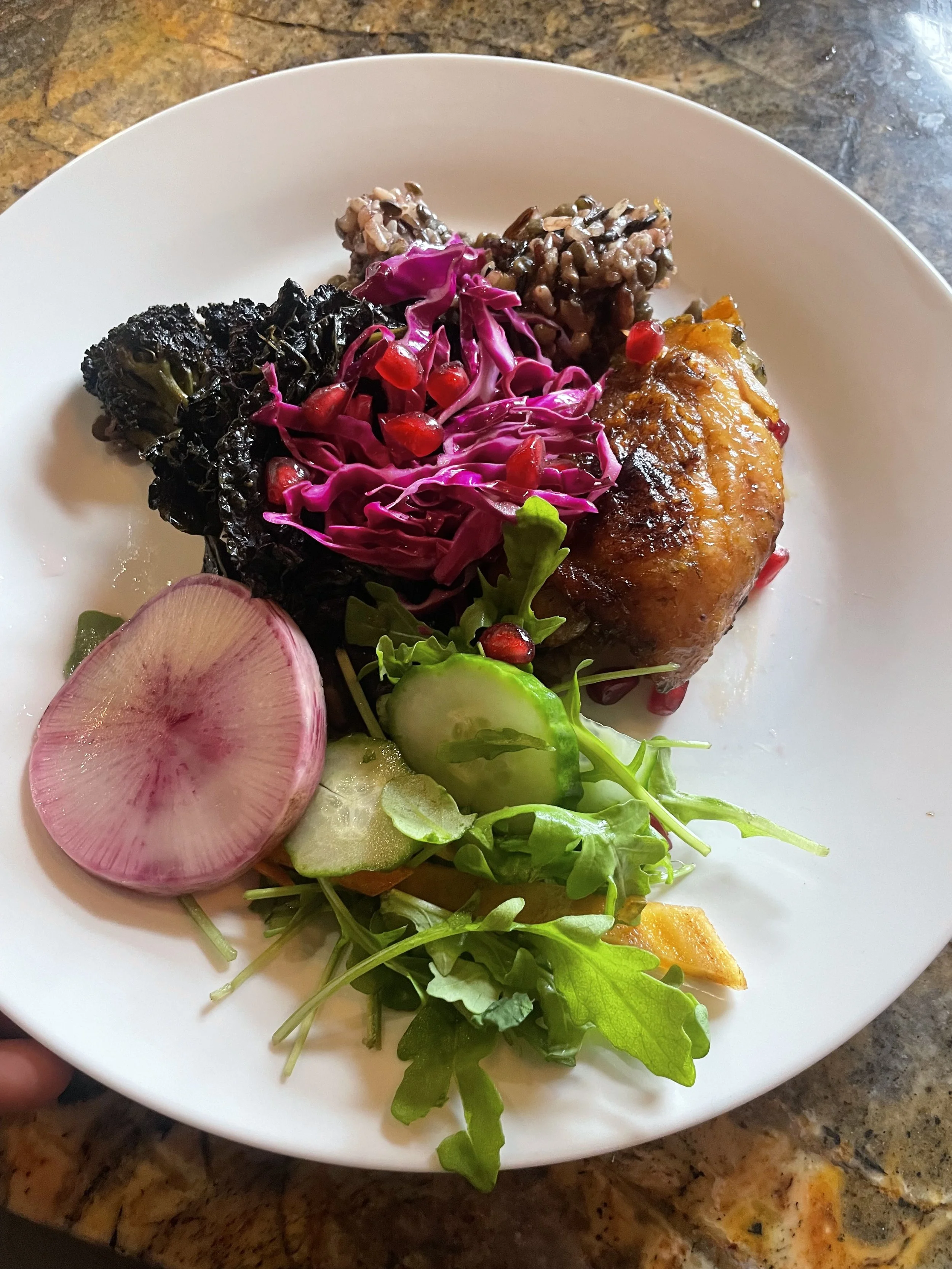
I’m making a little long lunch tomorrow and for the first time in forever, maybe ever, I’m not running into the naming issue. There is no country of origin for this food. The short amount of time I have to prep, cook, and serve determines the flavor and style of the dish. I can’t rely on formal methodology because formality would demand a lot more space, time, equipment, and ease.
Ease not what this food project is about.
Because, why yes, leg of lamb should either be medium rare or fall off the bone. But meet Leg of lamb in an Italian convection oven that uses beautiful and enigmatic pictograms on the oven dial! The pictograms you think are the right pictograms will neither make the leg of lamb medium rare or fall off the bone done.
It was delicious, but it’s very own lamb dish,
And sure, tomorrow’s soy sauce chicken should boil until bits of thigh swim away from the brone to join the green onions and ginger in a lazy river free float.
But the clock says nay. With 90 minutes of cook-time before service, the cuts of meat are limited to a solidly naked sear and judicious braising. The mystery of the pictograms cannot be solved by me. So tomorrow, as I did last week, I will employ my trademark technique fueled by chit-chattering neurosis to cover and uncover the meat whenever it smells like that’s a thing.
The result last week was a not too salty, tender chicken, sometimes boasting an ideally with crisped skin.
From the style of the vegetables to the amount of people that can be served, the kitchen and its sublime limitations have carved the shape of the menu I can serve safely and well. But it's the space itself, that drives the flavor and texture of the food. That nuance is what you will taste.
So welcome to the new adventure: a little bit of food prepared next to the train tracks, made at a clip, for very few people.